


News
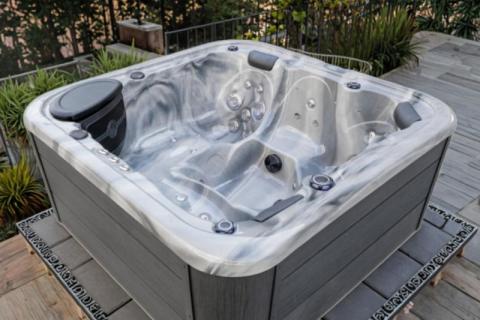
Main Causes of Mold Growth in Outdoor Hot Tubs 1. Insufficient sanitizer concentration 2. Poor performance of water circulation and filtration systems 3. Hot tub cover remaining damp for extended periods due to inadequate ventilation 4. Excessive contaminants introduced from the outdoor environment 5. Imbalanced water chemistry or improper water replacement intervals 6. Use of unsuitable cleaning agents
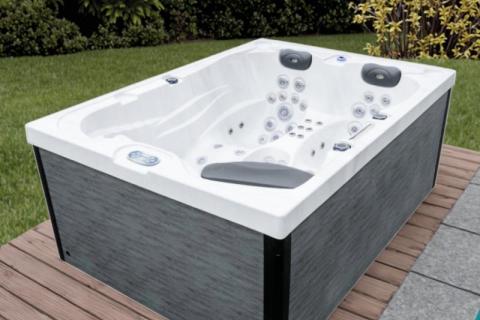
"Low flow" refers to a situation where the actual water flow within the whirlpool spa hot tub's circulation system is insufficient, or the control system fails to detect a flow rate that meets operational requirements.
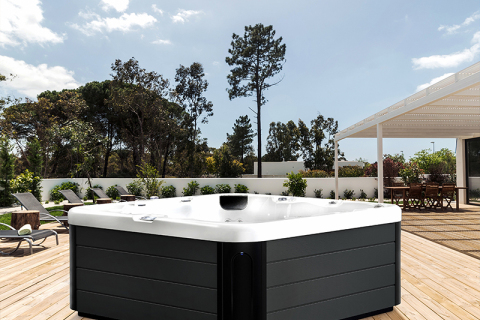
Six Main Reasons for Spiking Total Alkalinity in Outdoor Hot Tubs 1. High total alkalinity in the source water used for refilling 2. Excessive addition of total alkalinity increaser 3. Misuse of pH increaser 4. Accumulation of dissolved solids due to repeated refilling after evaporation 5. Errors in water testing tools or procedures 6. Mistaking a rise in pH for a rise in total alkalinity
No. If you continue to use the outdoor hot tub during the summer and the water quality and filtration system are functioning correctly, you can keep the water in the tub.
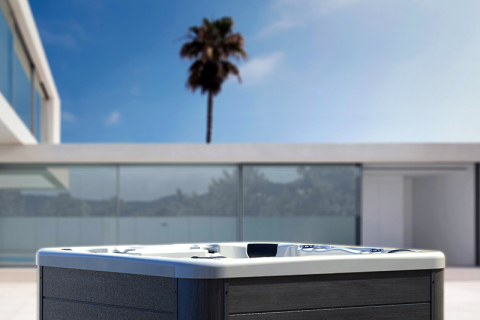
A systematic review and meta-analysis published in *Sleep Medicine Reviews* in 2019 found that taking a warm bath or shower one to two hours before bedtime could reduce the time it takes to fall asleep and improve certain sleep metrics.
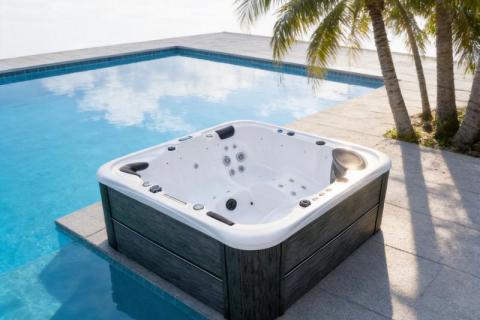
A compact two- or three-person model is better suited to a small urban courtyard, whereas a large villa garden might accommodate a five- or six-person model—or even a larger one. Hotels, guesthouses, and resorts, meanwhile, must plan based on guest capacity, usage frequency, and operational efficiency.
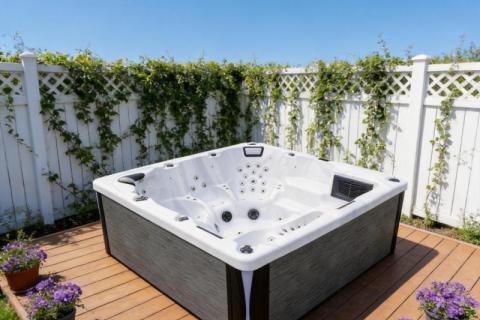
Rather than simply replacing traditional disinfectants, these technologies enhance the purification capabilities of the water circulation system and reduce the contaminant load, allowing outdoor hot tubs to maintain stable water quality with minimal chemical maintenance.
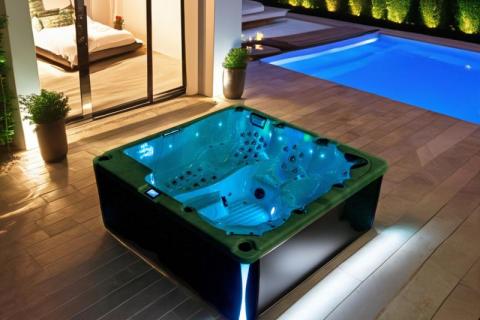
Warranty periods vary by component. Generally, manufacturers should provide a warranty of at least 5 years for the shell structure; mechanical components like pumps should ideally be covered for 2 years or more, while electronic control systems typically carry a 1–2 year warranty.
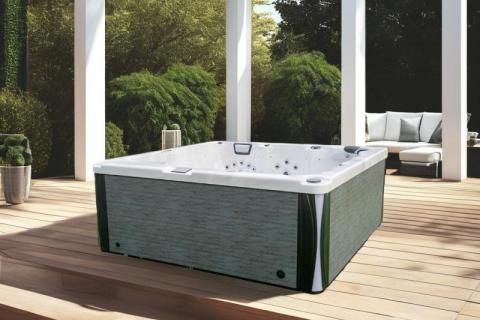
For OEM outdoor hot tubs, the client provides the design specifications, and the manufacturer handles production; for ODM outdoor hot tubs, the process is based on the manufacturer's existing product designs with modifications, placing greater emphasis on rapid development and cost control.
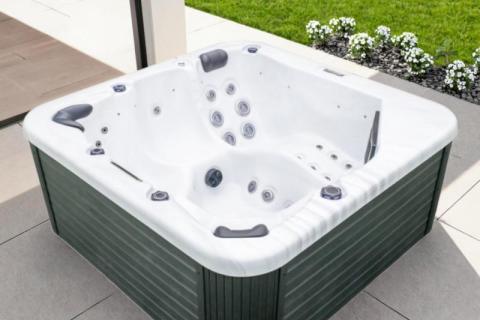
Users often encounter similar issues after purchasing an outdoor hot tub: cloudy water, excessive foaming, slow heating, high energy consumption, concerns about freezing in winter, frequent circuit breaker trips, clogged filters, and poor heat retention by the cover.