


- Home
- >
News
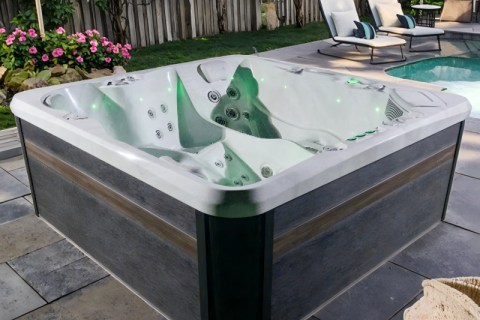
Eye Irritation Symptoms The eyes are among the parts of the body most sensitive to chlorine. When chlorine levels in an outdoor spa hot tub are high, or when irritating chlorine gas is present in the air, many users first experience eye discomfort.
I. Introduction to 6 Person Hot Tubs\nII. Criteria for Word-of-Mouth Recommendations\nIII. Top 6 Person Hot Tub Models Recommended by Users\nIV. Detailed Reviews and Features of Each Model\nV. Comparison Table of Key Specifications\nVI. Why Guangzhou Huantong Industry Co., Ltd Stands Out\nVII. Customer Testimonials and Case Studies\nVIII. Buying Guide and Considerations\nIX. Maintenance Tips for Longevity\nX. Conclusion and Final Recommendations\nXI. Contact Information
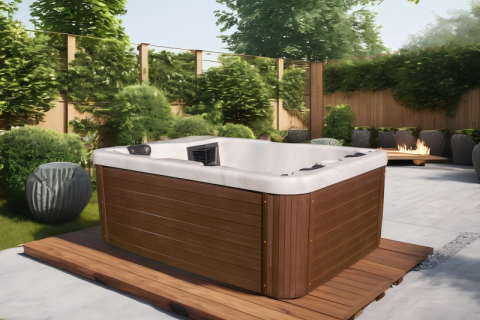
Actually, a well- made outdoor spa hot tub when installed, maintained, and used properly will usually be in a working condition for 10-15 years or more. With the use of high-grade components and an up-to-date and mature manufacturing process a hot tub can even last for more than 20 years.
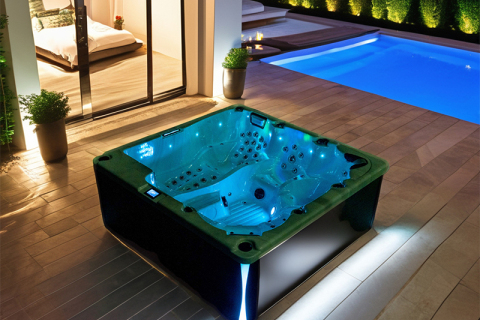
Baking soda is mostly mentioned as one of the ways to take care of outdoor spa hot tub at home. But it should be noted that baking soda's major role is not to remove cloudiness or purify the water in any way but to control alkalinity and pH level.
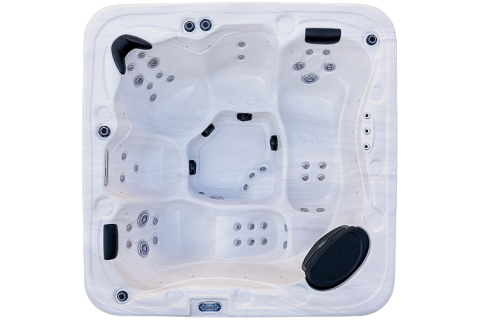
I. Introduction to 6-Person Hot Tubs and Their Popularity\nII. Criteria for Word-of-Mouth Recommendations\nIII. Top 6 Person Hot Tubs Based on Word-of-Mouth\nIV. Detailed Reviews and User Feedback\nV. Key Features to Consider When Choosing a 6-Person Hot Tub\nVI. The Role of Manufacturer Reputation: Guangzhou Huantong Industry Co., Ltd\nVII. Maintenance and Longevity Tips\nVIII. Conclusion and Final Recommendations
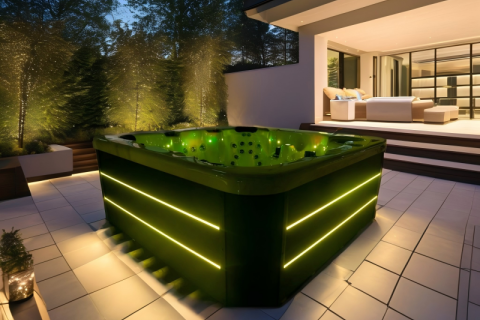
LOVIA® has long put emphasis on making outdoor spa equipment, thus having the experience and capabilities to supply OEM solutions more effectively and reliably to its partner all over the world via large-scale production, comprehensive supply chain management and constant R&D investment, giving customers more options regarding cutting the overall purchasing costs.
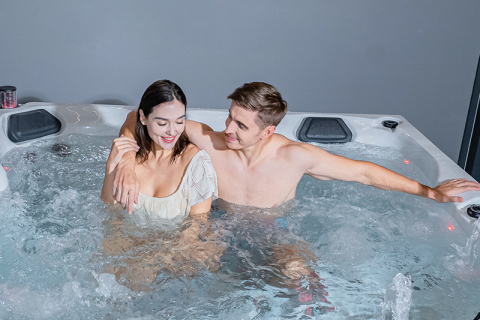
The main reason a spa hot tub tends to accumulate calcium and magnesium scale is the type of hard water supply in the area. International standards identify total hardness below 60 mg/L as soft water and total hardness exceeding 180 mg/L as being in a hard water area.
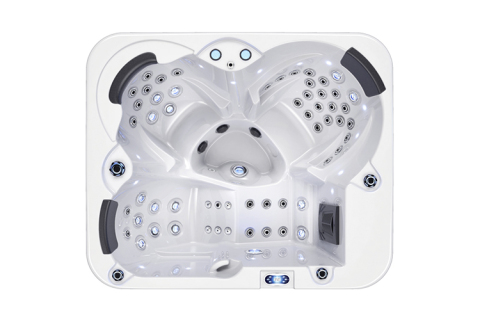
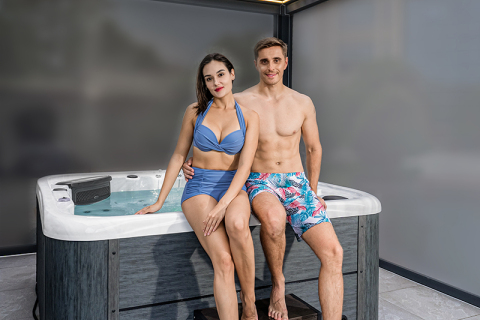
This article provides a comprehensive, data-driven list of relatively good 6-person hot tubs based on word-of-mouth recommendations, with a focus on quality, durability, and value. It highlights key features, performance metrics, and customer satisfaction, and includes insights from Guangzhou Huantong Industry Co., Ltd, a leading manufacturer.
One of the easiest ways to check if your spa hot tub filter is clogged is by feeling if your massage jets' pressure has dropped significantly or if the water flow is not as strong as it normally is when you are activating the hydrotherapy jets.
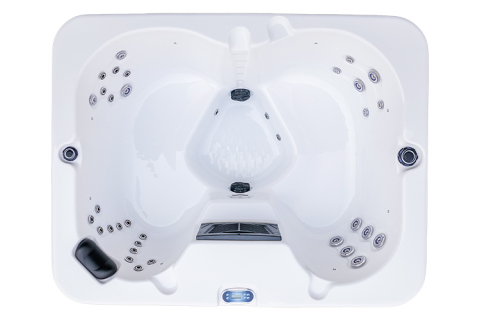
I. Introduction to 6-Person Hot Tubs and the Importance of Word-of-Mouth Recommendations\nII. Criteria for Evaluating 6-Person Hot Tubs\nIII. Top 6-Person Hot Tubs Based on Word-of-Mouth\nIV. Why Guangzhou Huantong Industry Co., Ltd Stands Out\nV. Technical Specifications and Features to Consider\nVI. Installation and Maintenance Tips\nVII. Cost Considerations and Value for Money\nVIII. Conclusion and Final Recommendations\nIX. Contact Information
The main reason for developing yellow algae in outdoor swim spas is the lack of a minimum disinfectant level. Be it chlorine, bromine, or other water treating chemical methods, in all cases, keeping the sanitizer levels sufficient to kill germs and the pathogens is vital to the prevention of algae and bacteria growth.
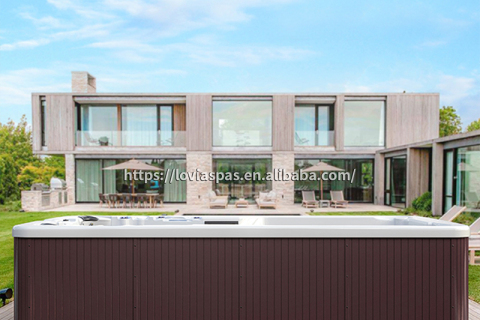
Air movement is a key factor influencing evaporation in swim spa tubs. Outdoor air is constantly in motion; wind continuously strips away the humid air layer above the water, bringing fresh, drier air into contact with the surface. Generally, the faster the air exchange, the higher the rate of evaporation.