


- Home
- >
News
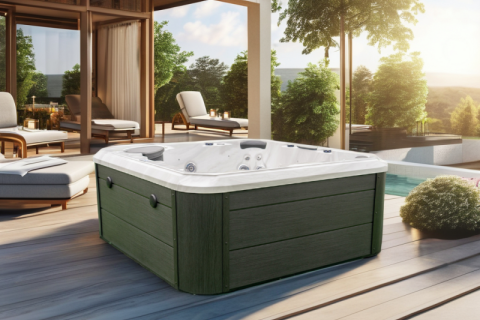
The valve's condition can be judged by its feel. With the spa jacuzzi tub out of operation, gently operate the valve control components. Under normal circumstances, it should: • Rotate smoothly. • Have uniform damping. • Have no noticeable jamming.
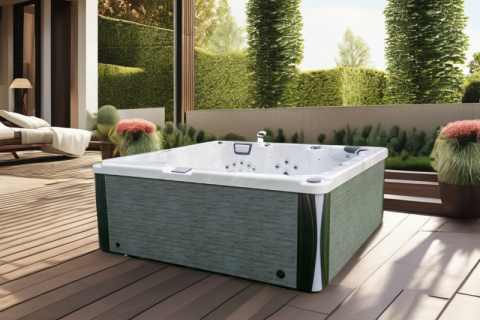
In most spa jacuzzi tubs, the drain pipe is typically located in one of the following areas: • The bottom edge of the spa jacuzzi tub • Inside the skirt near the ground • A low point near a corner This is because the drain pipe relies on gravity for drainage, so it must be located near the lowest point of the tank's water level.
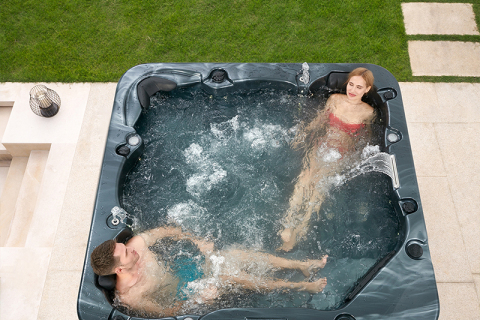
The filtration system is the first line of defense for a spa jacuzzi tub, responsible for: • Intercepting suspended particles • Reducing water pollution • Lowering the system load If the filtration system is in poor condition, black debris is more likely to reappear in the water.
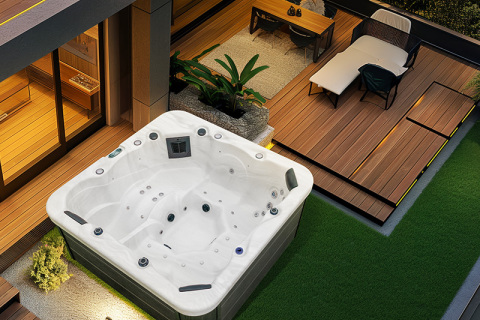
The basic principle of thawing spa jacuzzi tub drain pipes is: By slowly increasing the pipe temperature, the ice melts gradually, rather than breaking down instantly. This sequence helps the entire drainage system gradually regain its function.
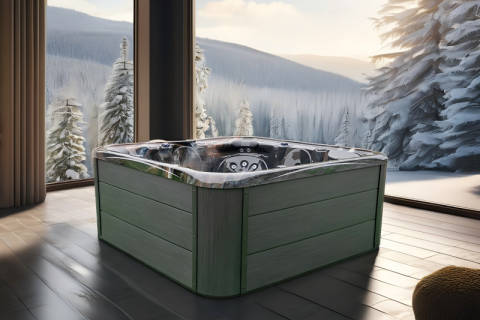
The general disassembly procedure for an old jacuzzi tub filter is as follows: 1. Open the filter chamber cover 2. Locate the position where the filter is fixed 3. Rotate or lift the filter according to the instructions 4. Slowly remove the old filter
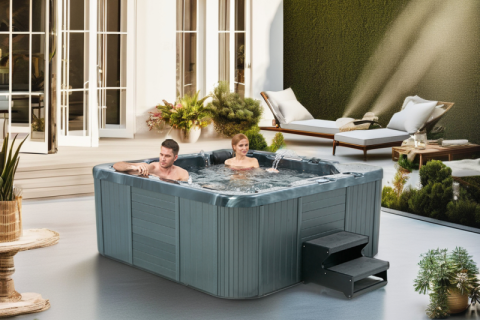
Principles for determining if a bath salt is suitable for a spa jacuzzi tub: Will it leave residue, deposits, or oily residue in the tub's piping, nozzles, and circulation system? If the bath salt contains insoluble or oily components, it is unsuitable for a spa jacuzzi tub.
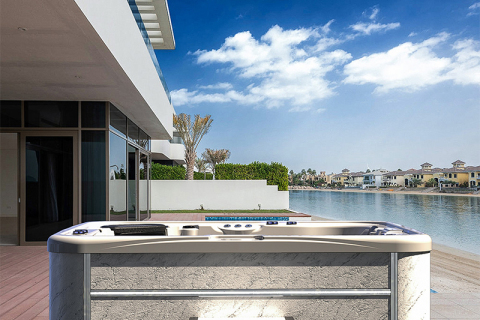
Step 1: Thoroughly drain the spa jacuzzi tub Step 2: Clean the Inner Walls and Seat Use a soft brush to focus on cleaning: • Inner walls • Seat • Steps • Waterline Do not use strong corrosive or abrasive tools to avoid damaging the spa jacuzzi tub surface.
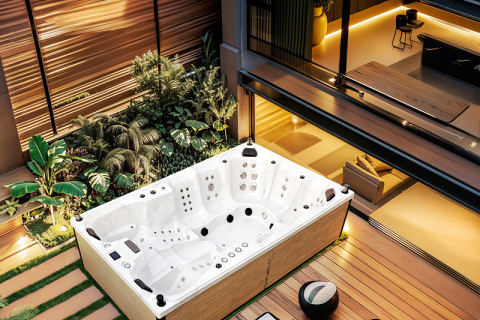
Not necessarily. For spa jacuzzi tubs with relatively simple structures and whose main functions focus on soaking and basic water flow massage, side sprays are sufficient for normal use.
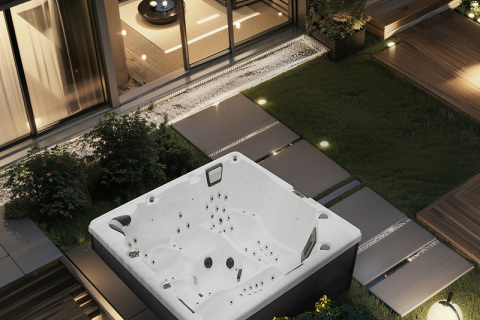
The core steps for properly draining the spa jcuzzi tub can be summarized as follows: 1. Turn off the power 2. Locate and open the drain outlet 3. Drain using gravity or assisted drainage 4. Ensure the tank and pipes are as free of residual water as possible 5. Perform a basic cleaning and inspection after draining
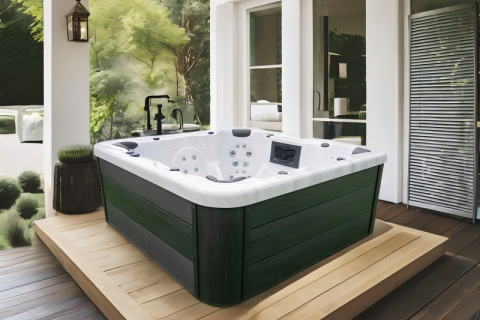
Hydrogen peroxide is not suitable as a routine cleaning method for spa jacuzzi tubs. The reasons are: • Spa jacuzzi tubs have a complex structure. • Hydrogen peroxide has strong oxidizing properties. • It has potential impacts on materials and systems. • Long-term equipment safety cannot be guaranteed.
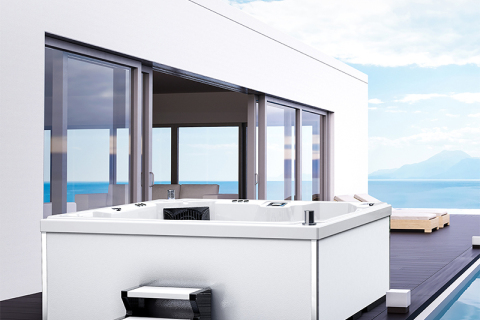
No •"Spa" is a broad concept that emphasizes the holistic experience derived from the aquatic environment itself. •A "spa jacuzzi tub" is a specific piece of equipment that utilizes structured water currents to deliver effects that are more controllable and targeted.
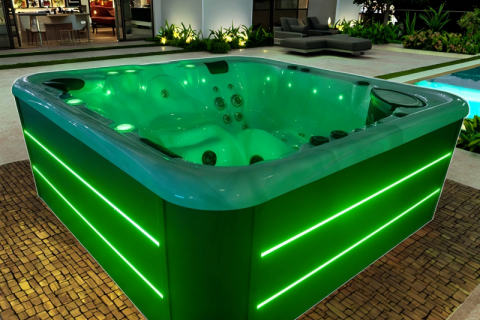
For stains that have just appeared or are relatively light in color, you can follow these basic principles: •Use a soft cleaning cloth. •Employ a neutral or mildly acidic cleaning method. •Wipe gently multiple times, rather than scrubbing vigorously just once. This approach is suitable for the routine maintenance of most spa and Jacuzzi tubs.