



- Home
- >
- News
- >
- Industry News
- >
News
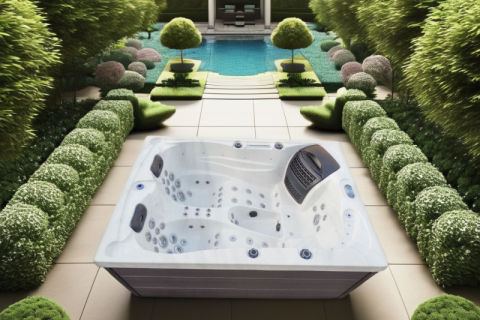
Acrylic hot tub lining: This refers to the inner molded layer that comes into direct contact with water and the user's body. Outer shell: This refers to the outermost protective component of the spa tub, enclosing the internal structure.
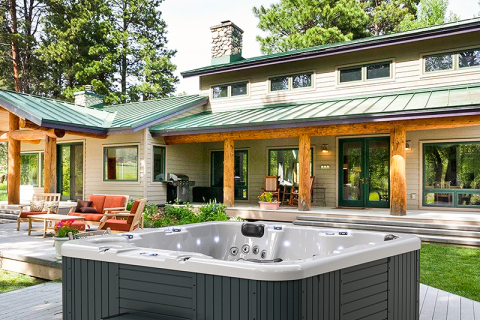
Under normal use, the water temperature in an acrylic hot water bath is usually controlled within: • A comfortable range • Suitable for human soaking • Significantly below the material's heat resistance limit Even in slightly higher temperatures, it's far from enough to alter the structure of the acrylic material.
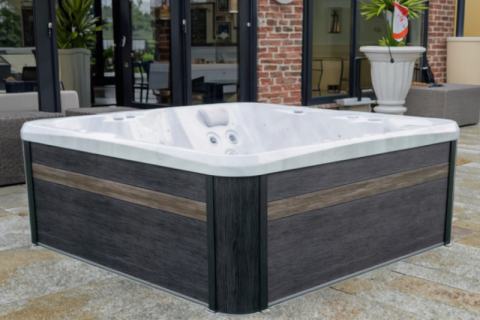
Under normal use conditions: • Acrylic is not prone to permanent deformation • It has good adaptability to temperature changes • It will not soften or collapse due to hot water As long as the operating temperature is within the design range, the acrylic hot tub will not deform due to prolonged exposure to hot water.
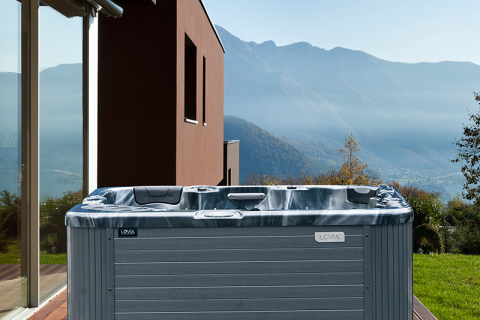
Outdoor freestanding spa bathtubs do have massage jets. And it's not just about the "band": • Massage jets are a core functional component of a freestanding spa bathtub. • They are a key factor in creating the spa experience. • Together with the pump, piping, and control system, they form a complete spa system.
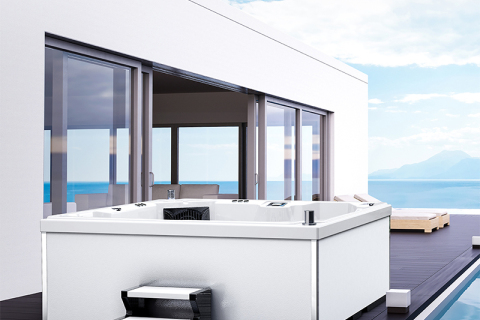
Freestanding spa bathtubs are not difficult to use, nor are they only suitable for young people. For seniors: • It's not a high-barrier-to-operation device. • No complicated learning curve is required. • Usage can be very simple.
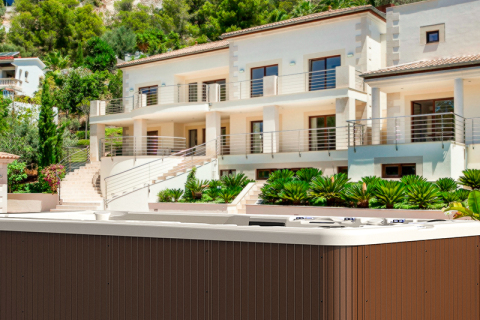
If you want to exercise and relax in aquatic spaces within a limited area, a swim spa tub has a clear advantage. If you have a clear usage plan, rather than just a passing interest, a swim spa tub is more worth considering.
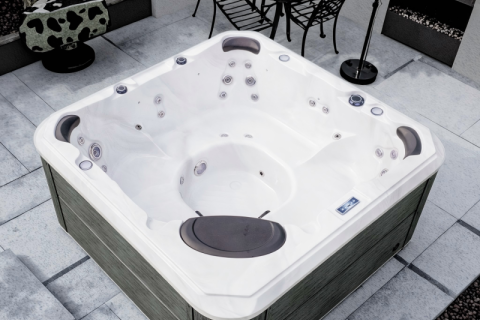
A spa hot tub cannot cure a cold or eliminate viruses, but in some cases, it can relieve the discomfort caused by a cold. Specifically, a spa hot tub may: • Relieve muscle aches and tension • Temporarily improve breathing discomfort • Reduce fatigue and psychological stress
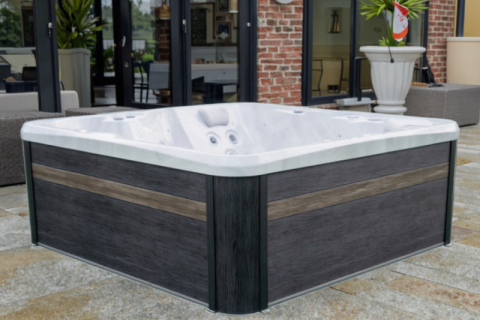
Increasing spa hot tub water hardness essentially means: Increasing the calcium ion content in the water. In a spa hot tub, hardness is primarily determined by calcium hardness; therefore, all methods of increasing hardness ultimately revolve around the core principle of "supplementing calcium."
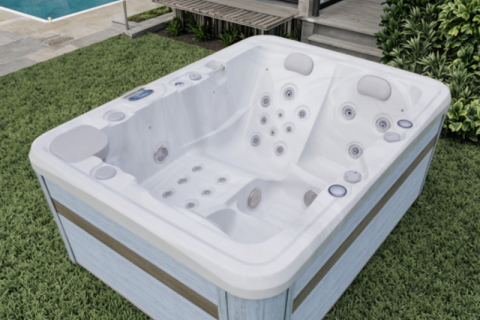
From a physiological perspective, a spa hot tub itself is not a direct factor in "raising blood pressure." The reasons are: • A warm environment usually leads to vasodilation • Vasodilation actually helps reduce vascular resistance • In a relaxed state, the body is more likely to enter a parasympathetic nervous system-dominated state
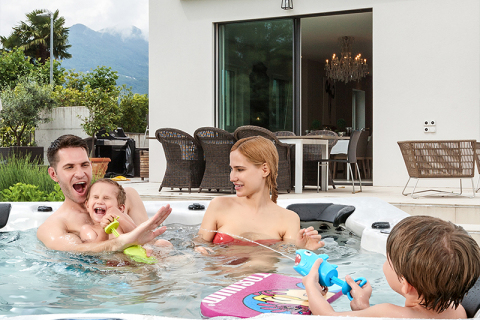
When a spa hot tub sprays water, it injects a large amount of air into the water. If the water contains substances that reduce surface tension and help stabilize the bubbles, foam will quickly form and remain on the surface. Therefore, foaming is not a problem with the water spray itself, but a reflection of the "composition" in the water.
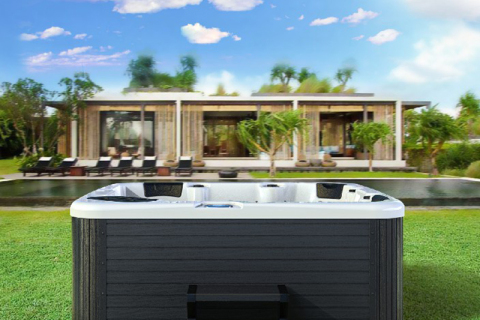
From a professional perspective, outdoor whirlpool bathtubs cannot be placed on just any ground. A suitable ground must meet the following basic conditions: • Sufficient load-bearing capacity • Level and stable ground • Not prone to subsidence or cracking • Good drainage conditions
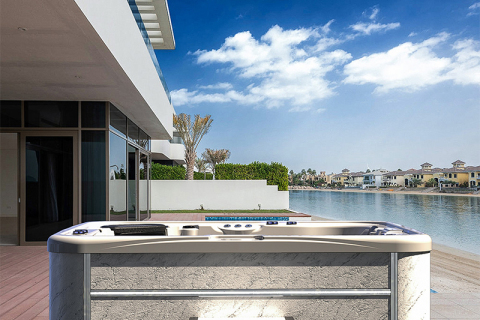
Step 1: Thoroughly drain the spa jacuzzi tub Step 2: Clean the Inner Walls and Seat Use a soft brush to focus on cleaning: • Inner walls • Seat • Steps • Waterline Do not use strong corrosive or abrasive tools to avoid damaging the spa jacuzzi tub surface.