


- Home
- >
News
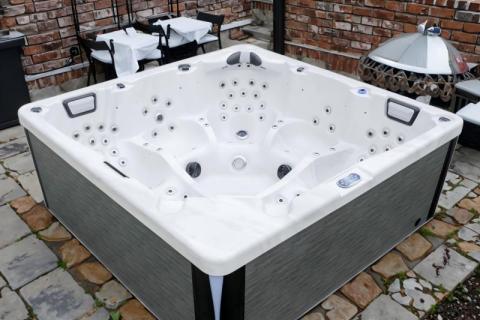
Do not use "a few days after suturing" as the sole basis for entering an outdoor hot tub before your doctor explicitly allows it. Generally, you should wait until the wound is completely closed, there is no oozing or bleeding, no obvious signs of redness and infection, and the treating physician confirms that soaking is safe before resuming bathing.
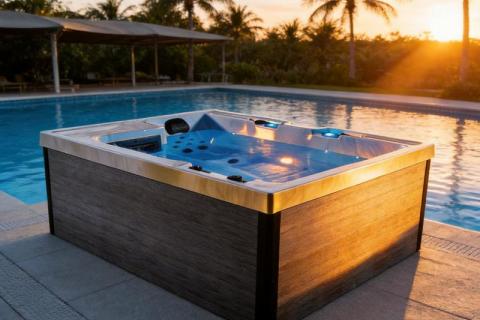
The most reliable method is not to observe whether the water is clear, nor to guess based on the amount of foam, but rather to test the calcium hardness and make a comprehensive judgment based on pH, total alkalinity, water temperature, and the target range recommended by the equipment manufacturer.
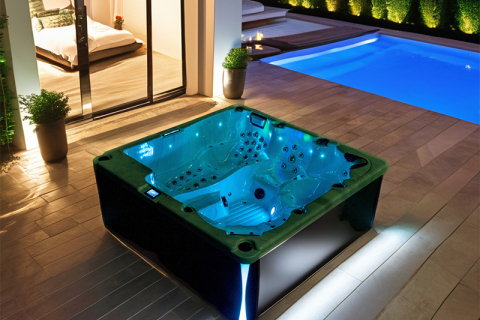
Currently, the most convenient home testing method is to use an electronic TDS meter. TDS meters typically measure the conductivity or related electrical properties of water and then estimate the total dissolved solids concentration based on the instrument's internal conversion factor.
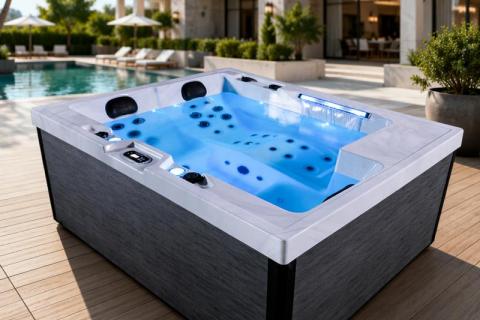
Most outdoor spa hot tubs currently employ a "circulating filtration + water quality management" system. The system uses a pump to draw water from inside the tub into the filtration system, where it is filtered and then returned to the tub, maintaining a relatively clean water level.
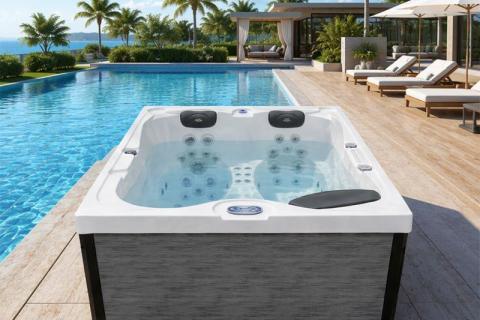
After determining that calcium chloride needs to be added, it is recommended to first turn off the outdoor hot tub's heating function and turn on the circulation pump to ensure sufficient water flow. Then, weigh the calcium chloride or calcium hardness enhancer according to the product label instructions.
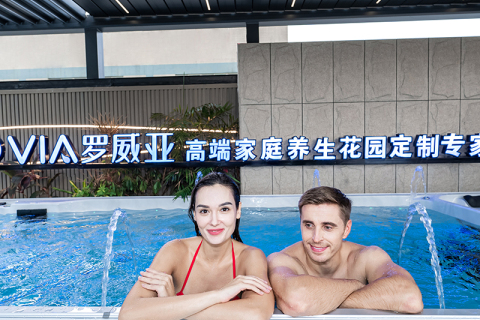
Single-zone swim spas typically feature a unified water temperature and an integrated layout, emphasizing compactness, efficiency, and space optimization. Dual-zone swim spas, conversely, utilize a partitioned design that separates the swimming area from the hydrotherapy zone, allowing for simultaneous exercise and relaxation.
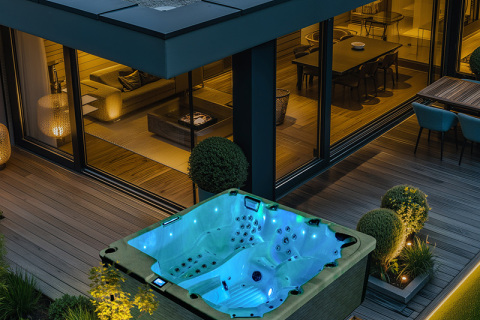
As a player in China's spa equipment industry, LOVIA® has long focused on the R&D, manufacturing, and sales of products such as outdoor hot tubs, swim spas, and cold plunge tubs, dedicated to providing comprehensive OEM/ODM solutions to global clients.
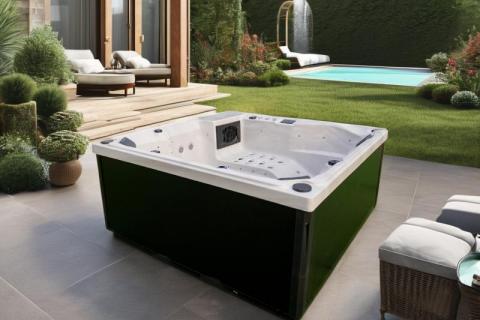
A truly premium outdoor hot tub experience requires a holistic approach, encompassing hydrotherapy systems, water quality management, ergonomic comfort, atmospheric design, and long-term maintenance.
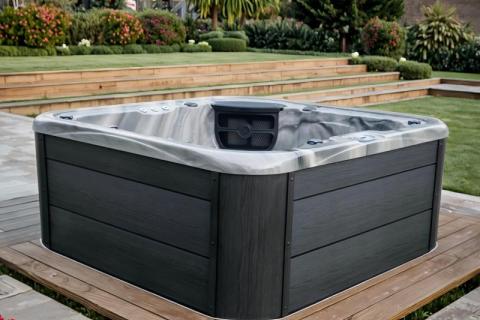
The neck and shoulders may benefit from directional jets; the back is well-suited for rotating or multi-port massage jets; the lower back requires concentrated flow; and the calves and feet can utilize small directional, pulsating, or air-bubble jets. A combination of different jet types creates a more comprehensive hydrotherapy experience.
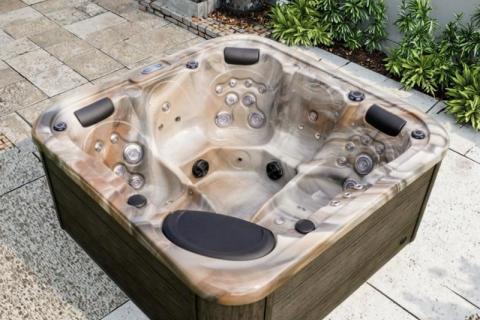
If a calcium hypochlorite-based chlorine disinfectant containing calcium is used, long-term use may indeed increase the calcium hardness of outdoor hot tubs; if a dichloro or trichloro-based product is used, it will not directly introduce a large number of calcium ions into the water like calcium hypochlorite.
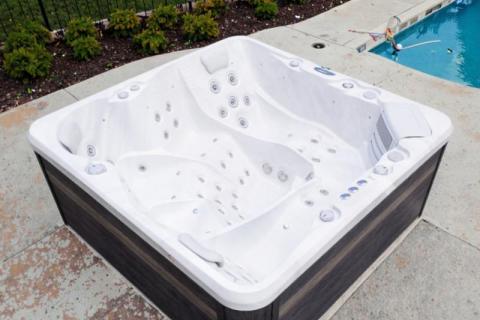
For water sources with high levels of iron, copper, or manganese, use spa-compatible metal sequestrants or metal control products as recommended by the hot tub manufacturer. If the source water contains iron, copper, or manganese, metal sequestrants can help prevent these metals from staining the spa shell and internal plumbing.
Recommendations range from 7 to 10 days, while many tattoo artists suggest waiting at least two weeks. Some public health departments in the U.S. even mandate that individuals avoid swimming or soaking in hot tubs and spas until their tattoos have fully healed.