


- Home
- >
News
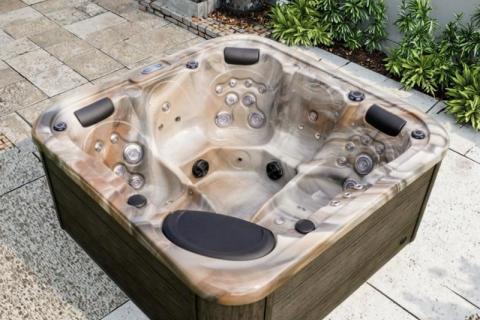
If a calcium hypochlorite-based chlorine disinfectant containing calcium is used, long-term use may indeed increase the calcium hardness of outdoor hot tubs; if a dichloro or trichloro-based product is used, it will not directly introduce a large number of calcium ions into the water like calcium hypochlorite.
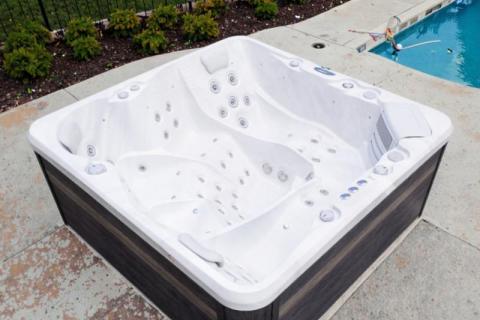
For water sources with high levels of iron, copper, or manganese, use spa-compatible metal sequestrants or metal control products as recommended by the hot tub manufacturer. If the source water contains iron, copper, or manganese, metal sequestrants can help prevent these metals from staining the spa shell and internal plumbing.
Recommendations range from 7 to 10 days, while many tattoo artists suggest waiting at least two weeks. Some public health departments in the U.S. even mandate that individuals avoid swimming or soaking in hot tubs and spas until their tattoos have fully healed.
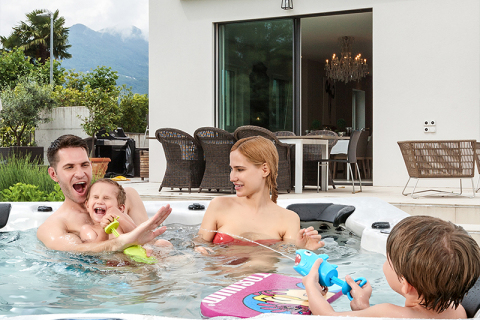
While the most immediate function of a circulation pump is to drive water flow, within the context of the entire spa hot tub system, it actually performs several fundamental tasks, including filtration, heating, maintaining uniform water temperature, water treatment, and equipment protection.
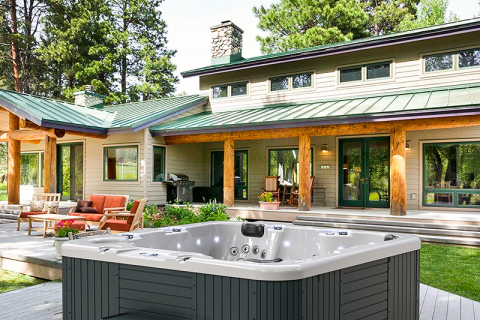
In terms of the control logic for outdoor spa hot tubs, "Sleep Mode" can be understood as a "low-demand operating mode" or an "energy-saving mode for extended periods of inactivity."
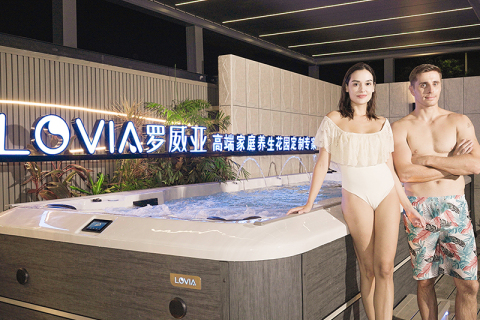
The primary exercise function of an outdoor swim spa is the use of a counter-current—a flow of water moving against the swimmer—to enable stationary swim training. While standard pools rely on length to accommodate swimming strokes.
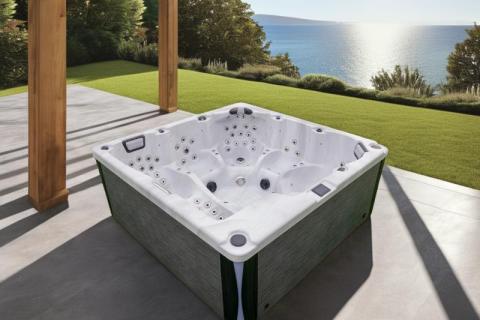
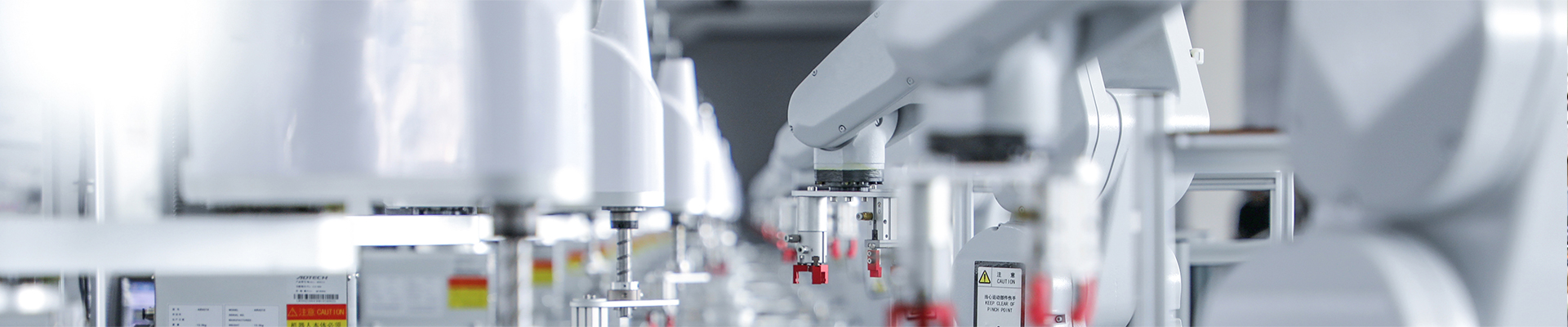
A professional hot tub factory typically requires acrylic heating equipment, vacuum thermoforming machines, FRP (fiberglass) reinforcement equipment, CNC machining equipment, plumbing/leakage testing equipment, electrical testing equipment, insulation processing equipment, and packaging equipment.
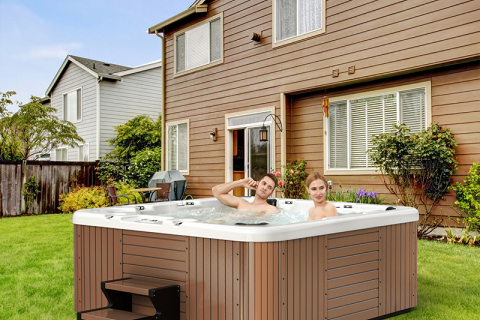
LOVIA® operates a production base spanning approximately 45,000 square meters, equipped with multiple production lines capable of an output of around 1,200 spa units per month. This large-scale production system enables clients to handle varying order sizes while ensuring product consistency through standardized processes.
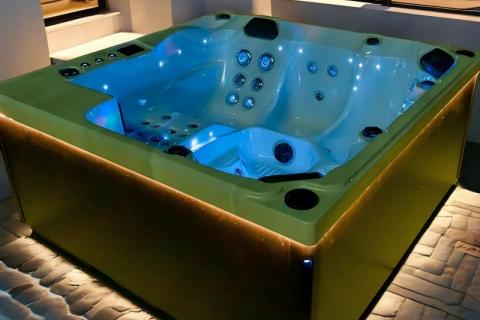
In short, the effect of an outdoor hot tub on heart rate is not simply a matter of the heart beating faster; rather, it is the result of the interplay between the thermal environment, vasodilation, hydrostatic pressure, and the body's heat dissipation mechanisms.

Common payment methods in the international trade of outdoor spa equipment include Telegraphic Transfer (T/T), Letter of Credit (L/C), small-value payment methods, and deferred payment terms for long-term partnerships. Different methods are suited to varying procurement scales and business relationships.
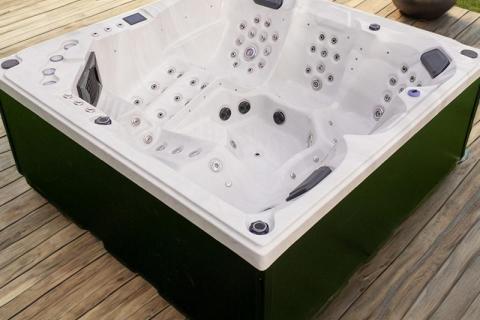
From a practical maintenance standpoint, you should generally allow the hot tub to circulate for about 20–30 minutes after adding baking soda before re-testing according to the equipment and product instructions. To confirm stable alkalinity and pH levels, a safer approach is to wait several hours before testing again.
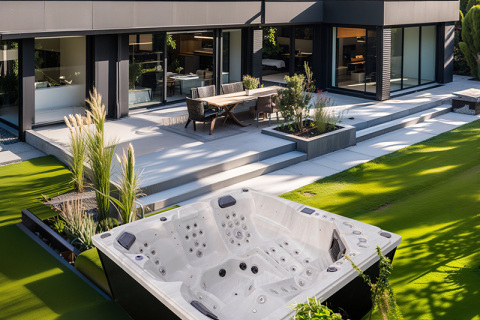
LOVIA® has long specialized in manufacturing hydrotherapy equipment—such as outdoor hot tubs and swim spas—and delivers reliable product solutions to global clients by continuously refining its R&D, production, and quality management systems.